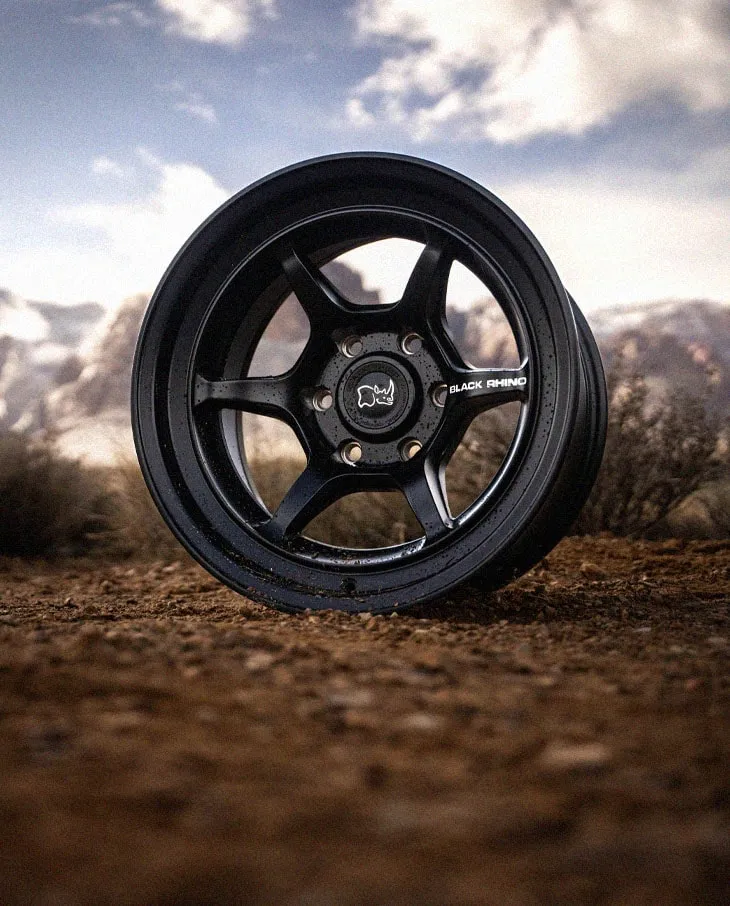
A car’s wheel material directly affects its performance, appearance, and usage cost. Currently, the mainstream materials on the market are mainly aluminum alloy, steel, and the emerging carbon fiber. Each has its own advantages and is suitable for car owners with different needs.
Steel wheels are representative of traditional materials. Their biggest advantages are low cost and high toughness, which can withstand large impacts, making them common in heavy-duty vehicles or entry-level family cars. However, they are heavy, which increases vehicle fuel consumption, and their appearance is single, making it difficult to meet the needs of those pursuing personalization. Nevertheless, for car owners who value practicality, have a limited budget, or often drive on complex road conditions, steel wheels are still a reliable choice.
Aluminum alloy wheels have become the standard configuration for most family cars and mid-to-high-end models due to their lightweight advantage. Compared with steel wheels, they are about 30% lighter, which can improve the vehicle’s acceleration performance and fuel economy. Moreover, they have strong plasticity and can be made into various appearances such as multi-spoke and cyclone styles to meet different aesthetic needs. At the same time, aluminum alloy has better heat dissipation, which can effectively reduce the temperature of the brake system and extend the service life of brake components. However, their cost is higher than that of steel wheels, and their impact resistance is slightly weaker, making them more suitable for daily urban driving.
Carbon fiber wheels are the “new favorite” in the field of high-end performance cars and modifications. Their weight is only about half of that of aluminum alloy wheels, which can minimize the unsprung mass of the vehicle and significantly improve handling sensitivity and driving smoothness. They have extremely high strength, excellent impact resistance and fatigue resistance, and their appearance is full of a sense of technology. However, the high manufacturing cost makes it difficult to popularize at present, and it is mainly for a small group of people who pursue extreme performance and have sufficient budgets.
When choosing a wheel material, you need to consider your own driving scenario, budget and needs: for daily commuting, choose aluminum alloy wheels to balance practicality and appearance; for heavy loads or complex road conditions, prioritize steel wheels; if you pursue extreme performance and high-end experience, you can consider carbon fiber wheels. Only by choosing the right material can the “underfoot support” of your car be both reliable and meet your needs.