Author name: info@jurowheels.com

performance wheel top
Blog, Wheels Knowledge

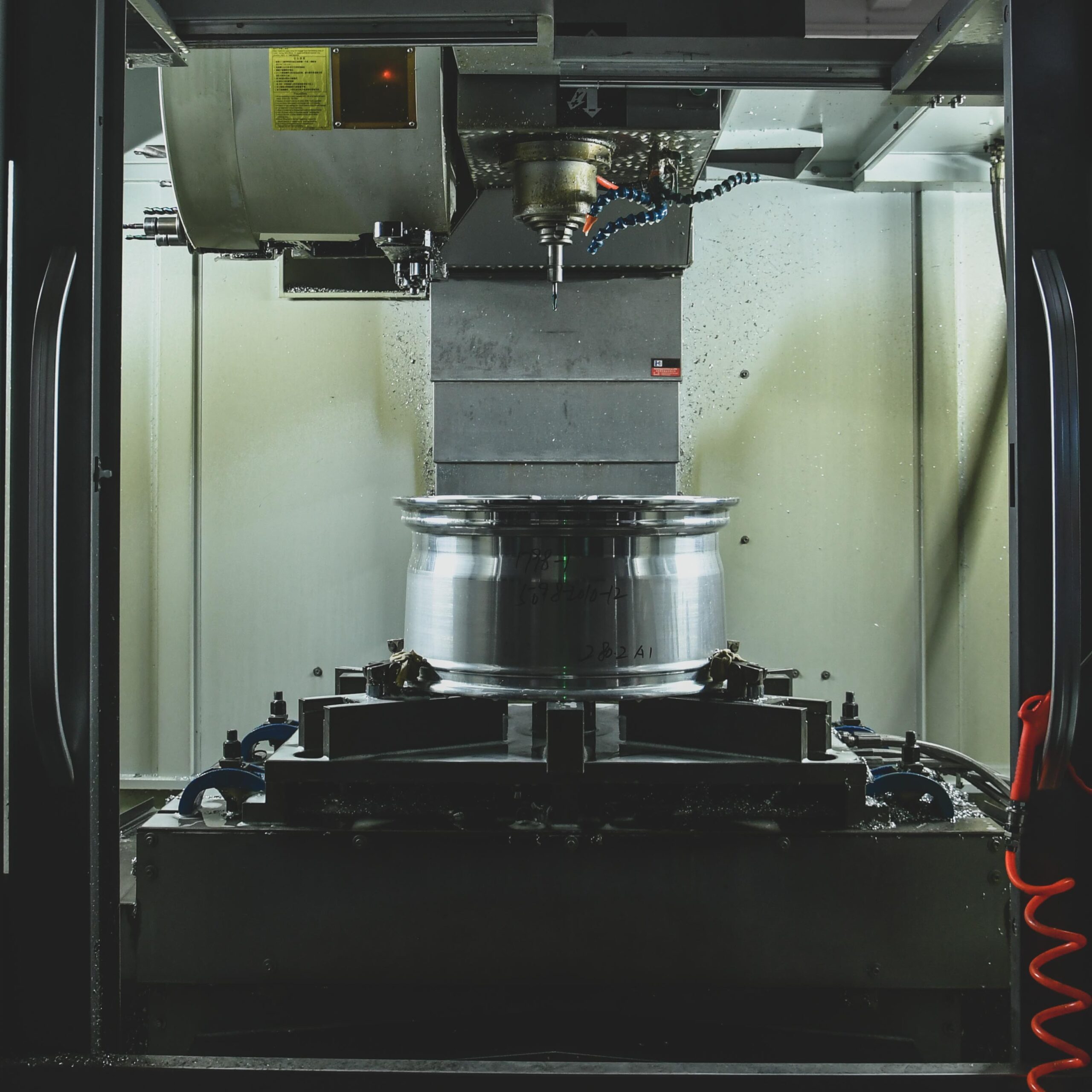
What is Flow-formed Wheel? An Innovative Method of Producing Alloy Wheels.

Quality. Safety. Performance. When it comes to choosing performance wheels to sell, as a buyer, you want a product to please the end consumer, as well as a product to represent your company in the best light possible. So what does the consumer want? And what will benefit your company most? Based on our experience from the companies we’ve worked with, they prioritize quality and safety, shorter production lead times, and efficiency in application for […]
machine froged wheels scaled
Blog, Wheels Knowledge

Forged vs. Cast Wheels: What’s the Difference?

Forged vs. Cast Wheels: What’s the Difference? If you’re looking for aftermarket wheels, there are several things that you should consider. As wheels are made using different methods and alloys, they have distinct advantages and disadvantages over one another. Some wheels are inexpensive to purchase, some offer premium quality and some focus on style solely. Modern car wheels are getting more durable and aesthetically pleasing as technology and manufacturing improves. As we continue our discussion

4 3
Blog, Events, Wheels Knowledge

Wheel Material Differences and Selection: Choose the Right “Underfoot Support” for Your Car

A car’s wheel material directly affects its performance, appearance, and usage cost. Currently, the mainstream materials on the market are mainly aluminum alloy, steel, and the emerging carbon fiber. Each has its own advantages and is suitable for car owners with different needs. Steel wheels are representative of traditional materials. Their biggest advantages are low cost and high toughness, which can withstand large impacts, making them common in heavy-duty vehicles or entry-level family cars. However,

10 1
Blog, Wheels Knowledge

Wheel Maintenance Guide: Keep Your Car’s “Feet” Shining

Wheels are among the car’s dirtiest parts—brake dust, road grime, and rain can harm their lifespan and appearance. Daily care tips: Use specialized wheel cleaners (avoid acidic products) when washing, with a soft brush to clean gaps; dry promptly after rain to prevent salt corrosion. For brushed or electroplated wheels, avoid direct high-pressure water jets and wax regularly to form a protective layer. Repair scratches or deformation promptly—ignoring them may worsen vibrations and compromise safety.

9 1
Blog, Wheels Knowledge

Wheel Size vs. Driving Experience: Bigger or Smaller?

“It looks better with bigger wheels” is a common belief, but size choice involves more than aesthetics. Larger wheels (20″+) with low-profile tires offer strong visual appeal and sharper steering response, ideal for sporty driving. However, overly low profiles reduce shock absorption, leading to bumpier rides on rough roads and higher replacement costs. Smaller wheels (16″-18″) prioritize comfort and economy. Thicker sidewalls better cushion road bumps, lowering fuel consumption and maintenance costs. Always reference the

5 1
Blog, Wheels Knowledge

Forged Wheels: Why They’re the “Performance Code” for High-End Cars?

When it comes to boosting both a car’s performance and aesthetics, forged wheels are a key topic. Compared to cast wheels, the forging process shapes aluminum alloy blanks through high temperature and pressure, creating denser metal grains. This makes them over 30% lighter yet 200% stronger, resulting in faster acceleration, shorter braking distances, and more precise handling. For car enthusiasts, the customizability of forged wheels is a major draw. Available in full sizes from 16″

Request a Quote

Please enable JavaScript in your browser to complete this form.